
EntertainmentJul 10, 2026 · 5 min read
Oasis Reunion Fuels Record 25 Million Music Tourists to UK Concerts, Delivering £11bn Boost
The Oasis reunion and superstar summer gigs are driving record UK music tourism and an £11 billion economic surge, reshaping live entertainment and audience travel patterns.

By Zuri Okafor, Entertainment and Media Correspondent
July 10, 2026
LONDON — The long-awaited Oasis reunion tour has helped propel the United Kingdom to a record-breaking summer of live music, drawing an estimated 25 million music tourists from around the world and generating an £11 billion economic boost for the British economy.
The surge, driven by high-profile gigs from the Gallagher brothers alongside Coldplay, Lana Del Rey, and Beyoncé, marks one of the strongest years for UK concert tourism in recent memory. Industry analysts say the combination of nostalgia-driven ticket sales and international fan travel is reshaping how major artists approach global touring strategies.
The Oasis Effect
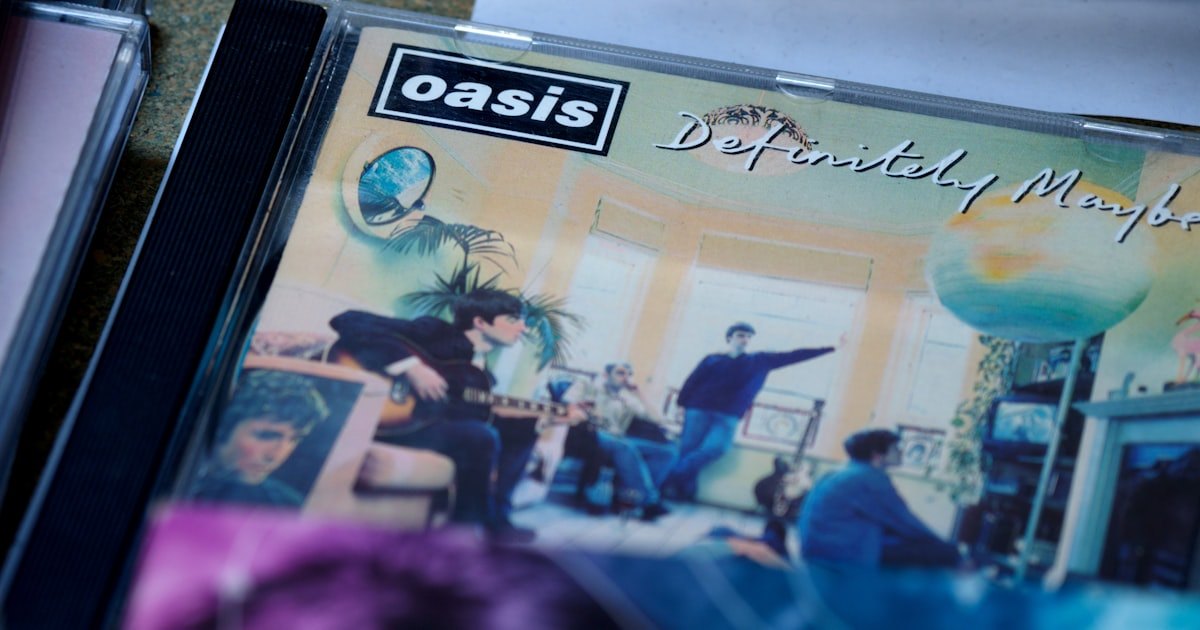
No single act has captured the moment quite like Oasis. After years of speculation and public feuding between Noel and Liam Gallagher, the band’s 2026 reunion shows have become cultural events that extend far beyond the stage. Fans from the United States, Europe, Asia, and Australia have flooded into cities hosting the dates, booking flights, hotels, and local experiences in record numbers.
Early ticket sales for the reunion leg reportedly sold out within minutes of going on sale earlier this year. Secondary markets saw prices climb dramatically, with some fans paying hundreds of pounds above face value for prime seats. The excitement has translated into tangible economic activity: hotel occupancy rates in Manchester, London, and Cardiff have spiked on show nights, while restaurants and bars near venues report double-digit increases in revenue.
Music tourism experts note that Oasis fans represent a particularly valuable demographic. Many are in their 40s and 50s with higher disposable incomes, willing to combine the concert with extended stays. “These are not one-night visitors,” said one London hospitality operator. “They’re doing the full weekend — museums, pubs, shopping. It adds up fast.”
Broader Industry Momentum
While Oasis dominates headlines, the wider UK live music calendar has benefited from a stacked summer. Coldplay’s ongoing world tour continues to draw massive crowds with its environmentally conscious production and global fanbase. Lana Del Rey’s atmospheric performances have attracted a younger, highly engaged audience willing to travel for unique festival experiences. Beyoncé’s shows, part of her continued dominance of the pop landscape, bring international prestige and media coverage that amplifies the UK’s reputation as a premier live music destination.
Collectively, these acts and others have pushed total music tourism numbers to the 25 million mark — a figure that includes both international arrivals and domestic travelers attending multiple events. The £11 billion economic impact encompasses direct spending on tickets, travel, accommodation, food, and merchandise, as well as indirect effects on local supply chains.
The numbers represent a significant rebound and expansion from pre-pandemic levels. Live music has long been a bright spot in Britain’s cultural economy, but the 2026 season demonstrates how superstar reunions and strategic touring can create outsized returns.
Audience Culture and Creator Impact
For creators and industry professionals, the summer surge highlights shifting audience behaviors. Fans are increasingly treating live events as destination experiences rather than local outings. Social media amplification plays a central role: Oasis reunion clips, fan vlogs, and behind-the-scenes content have racked up millions of views, turning each show into a shared cultural moment that encourages further travel.
Independent artists and mid-tier acts also report spillover benefits. Venues outside the major stadium circuit have seen increased foot traffic on non-headliner nights as music tourists extend their stays. Promoters say the overall health of the ecosystem matters — when big tours succeed, they lift the entire live music economy.
Representation and access remain ongoing conversations. While the superstar shows generate headlines, smaller venues and emerging artists continue to face challenges with rising production costs and venue availability. Some industry voices argue that the current boom should be leveraged to advocate for better support structures for grassroots music spaces.
Media Industry Ripple Effects
The entertainment media landscape has responded aggressively to the story. British outlets have dedicated extensive coverage to ticket queues, fan stories, and economic analyses. International press has framed the UK as the place to be for live music this summer, further fueling interest.
Streaming platforms have capitalized on the moment as well. Official setlist playlists and live recordings see immediate spikes in streams following major shows. The reunion has also sparked renewed interest in the band’s back catalog, with older tracks re-entering charts and driving catalog revenue for labels and rights holders.
Social platforms have become primary discovery and community hubs. TikTok and Instagram Reels filled with fan footage create a feedback loop: the more people post, the more others want to attend. This audience-driven content ecosystem is now a core part of how tours generate buzz and sustain ticket demand.
Challenges and Considerations
Not every aspect of the boom is without friction. Local residents near major venues have raised concerns about noise, traffic, and short-term rental pressures. Some cities are examining how to balance the economic upside with quality-of-life impacts on communities.
Sustainability questions also surface. Large-scale tours involve significant travel emissions. While some artists like Coldplay have invested in carbon-offset programs and lower-impact production, critics argue the industry must do more to address its environmental footprint as attendance numbers climb.
Labor issues in the live events sector persist. Crew members, security staff, and hospitality workers supporting the influx of shows report long hours and variable conditions. Unions have used the high-visibility summer to push for improved standards and fair compensation.
Looking Ahead
The current wave of activity is expected to continue through the festival season and into the fall. Promoters are already eyeing 2027 dates, with several major acts rumored to be considering UK runs. The success of the Oasis reunion in particular may encourage other legacy acts to explore similar comebacks.
For the broader entertainment industry, the lesson is clear: when audience demand, creator star power, and strategic touring align, live music can deliver substantial cultural and economic value. The UK’s record summer stands as a case study in how entertainment events function as engines of tourism and community engagement.
As fans continue to pour into venues across the country, the soundtrack of 2026 is unmistakably live. The Oasis reunion and its accompanying constellation of superstar shows have not only filled stadiums — they have reminded the world why people travel for music in the first place.
Sources: The Guardian reporting on UK music tourism figures; industry statements on ticket sales and hospitality impact; social media trend data on fan engagement.
The Shadowfetch Brief
Get The Shadowfetch Brief
Stories like this — every side, one short morning email. Free.
See a problem in this story? Report an error · Corrections policy · Our methodology