Nature & Outdoors2026-07-02 · 2 min read
NOAA whale entanglement training spotlights Atlantic rescue risk
NOAA Fisheries’ newest Northeast whale-rescue update is not a feel-good animal story. It is a public-safety warning: if a whale is entangled, report it…

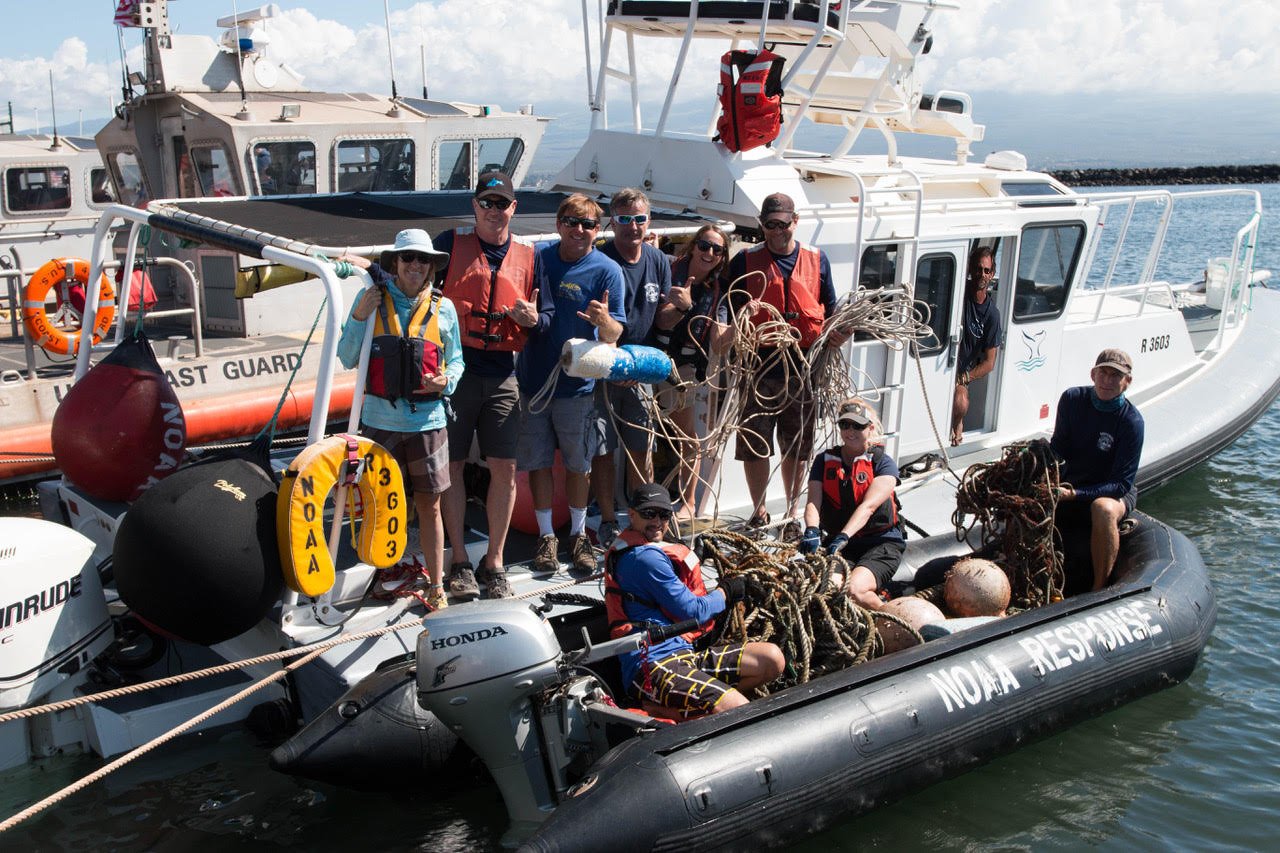
NOAA Fisheries’ newest Northeast whale-rescue update is not a feel-good animal story. It is a public-safety warning: if a whale is entangled, report it fast, keep distance, and let permitted responders do the dangerous work.
In a June 29 update, NOAA said its staff led a large-whale disentanglement workshop at the James J. Howard Marine Sciences Laboratory in Sandy Hook, New Jersey, after increased juvenile humpback whale activity in the New York-New Jersey area. The training brought together 26 participants from 12 federal, state, local, and nonprofit partners, then moved to on-water drills with New Jersey Division of Fish and Wildlife law-enforcement officers trailing a mock entanglement behind a vessel.
The data point that should stay with boaters: NOAA says the Greater Atlantic region averaged 26 reported large-whale entanglements per year from 2007 through 2025 — more than one-third of the 73 reported nationally each year. Fishing gear and marine debris are the core hazard, and NOAA’s national entanglement-response network says trained teams provide response coverage in all coastal states.
What changes for the public is simple and immediate:
- Do not attempt to cut gear yourself; NOAA says whale rescues are complex and dangerous for people and animals.
- In the Greater Atlantic, report injured or entangled live or dead whales through the 24-hour hotline: (866) 755-6622.
- If you are on a boat without cell service, hail the U.S. Coast Guard on VHF Channel 16.
- Stay back; NOAA’s Greater Atlantic guidance says 100 yards or more is the safer distance while waiting for responders.
Sources: NOAA Fisheries June 29 training update, NOAA National Marine Mammal Entanglement Response Networks, NOAA Greater Atlantic entanglement guidance, NOAA reporting contacts
The Shadowfetch Brief
Get The Shadowfetch Brief
Stories like this — every side, one short morning email. Free.