Sexual Health & Education2026-07-04 · 4 min read
CDC STI data show progress, but testing gaps still matter
The short version: the newest national STI numbers look better than they did a year earlier, but they are not a victory lap. CDC’s provisional 2024 surveillance data show reported…

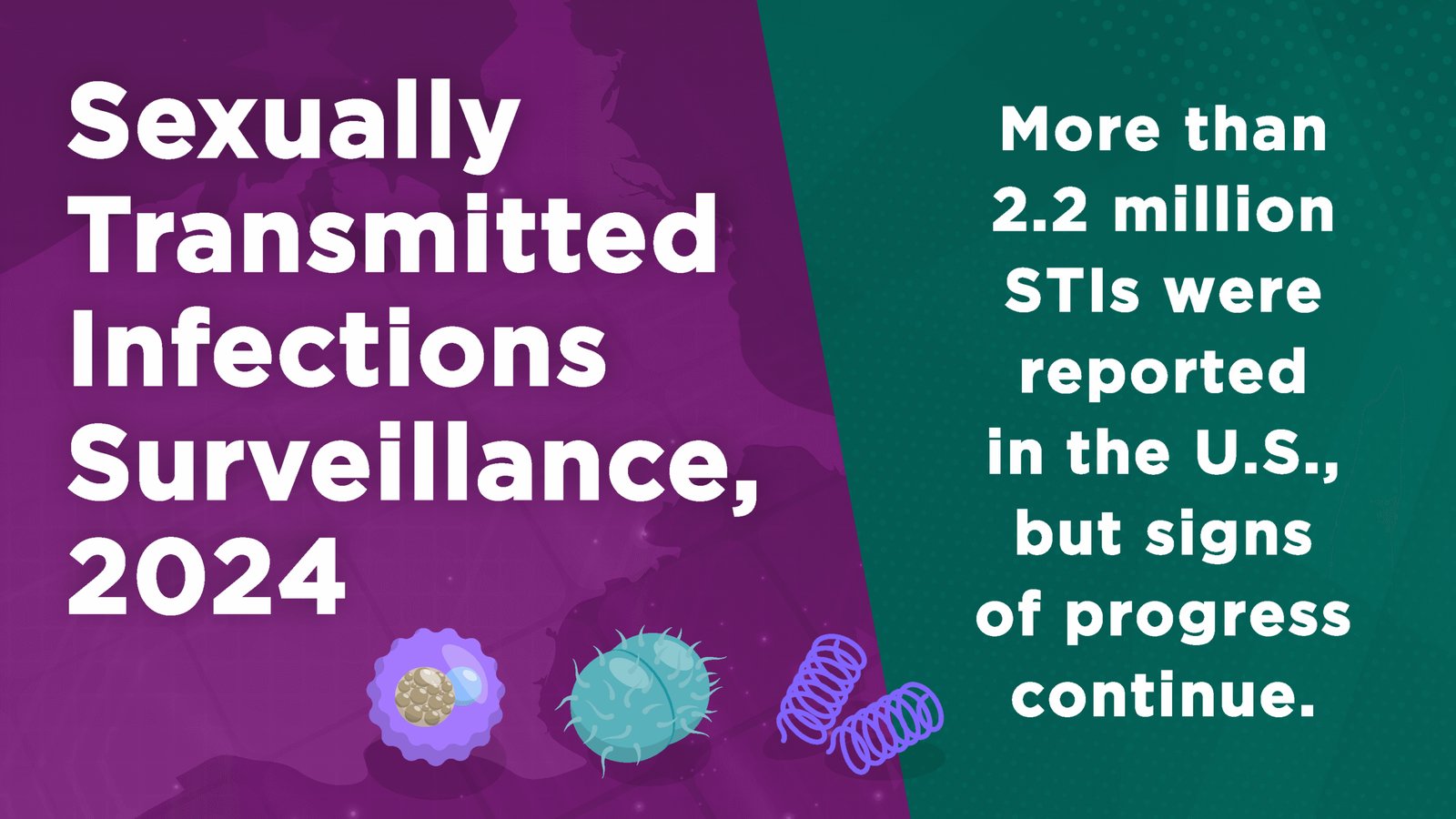
The short version: the newest national STI numbers look better than they did a year earlier, but they are not a victory lap. CDC’s provisional 2024 surveillance data show reported chlamydia, gonorrhea, and syphilis cases fell for a third straight year, while congenital syphilis still rose — a reminder that “overall decline” can hide the places where prevention is still missing people.
The concrete data point is worth holding onto: CDC reported more than 2.2 million combined cases of chlamydia, gonorrhea, and syphilis in 2024, down about 9% from 2023. But congenital syphilis reached nearly 4,000 reported cases and remained almost 700% higher than a decade earlier, according to CDC’s release.
That split screen should shape how readers interpret today’s sexual-health headlines. The story is not simply “STIs are down.” It is: some reported infections are moving in the right direction nationally, while the most preventable severe outcomes still point to access problems, delayed care, missed screening, stigma, and uneven local capacity.
What changed in the numbers
CDC’s provisional report covers three nationally notifiable STIs: chlamydia, gonorrhea, and syphilis, including congenital syphilis. The agency says chlamydia cases declined for the second year in a row, down 8% since 2023. Gonorrhea fell for the third year in a row, down 10%. Primary and secondary syphilis — the most infectious stages — declined 22% from 2023.
Those are meaningful signs. Fewer reported cases can reflect prevention, testing, treatment, behavior changes, or some mix of all four. CDC also cautions that the 2024 data are provisional at the national level while surveillance systems move to the One CDC Data Platform; final 2024 data are expected in 2026, and local or demographic patterns may shift when state-level data are finalized.
That caveat matters because STI risk is never evenly distributed. National averages can move down while a county, clinic network, age group, or pregnant-patient population is still under strain. Sourced or it didn’t happen — and here, the source itself is telling readers not to overread one broad number.
The access story: tests are getting closer to home
One practical development is that more testing is moving outside the traditional clinic visit. In March 2025, FDA granted marketing authorization for the Visby Medical Women’s Sexual Health Test, which it described as the first over-the-counter diagnostic test for chlamydia, gonorrhea, and trichomoniasis that can be purchased without a prescription and performed entirely at home. FDA said the test is intended for females with or without symptoms and gives results in about 30 minutes.
That does not mean at-home testing replaces medical care. FDA’s own notice says people with positive results should seek medical care, and people with symptoms, recent exposure, or continuing concerns should contact a health care provider even after a negative result. False negatives and false positives are possible with many tests. Translation for readers: a home test can be a doorway into care, not the whole house.
Still, access matters. CDC’s prevention guidance is plain: many STIs have no signs or symptoms, and the only way to know your status is to get tested. The agency also lists prevention steps that include vaccination for hepatitis B and HPV, regular testing, sharing results with partners, mutual monogamy with a tested partner, and using condoms correctly every time.
For anyone making a plan — not a diagnosis, just a plan — the takeaway is simple:
- If you have symptoms, a known exposure, a positive home test, or a partner who tested positive, connect with a clinician or local clinic.
- If you are testing as routine prevention, use CDC’s GetTested locator or your health system to find the right test mix for your situation.
- If you are pregnant or could become pregnant, ask specifically about syphilis screening timing; congenital syphilis is preventable, and missed screening or delayed treatment can carry serious risk.
- If talking about testing feels awkward, make it logistical: “I’m doing my routine STI screen this week — have you tested recently?” is less dramatic than letting uncertainty do the talking.
What to watch next
The next useful update will be CDC’s finalized 2024 STI surveillance data, expected in 2026, especially state and demographic detail that can show where the national decline did — and did not — reach. Also watch whether over-the-counter STI testing expands beyond the first products, and whether clinics can connect at-home results to quick treatment without making patients start from scratch.
None of this is a substitute for medical advice. It is a map of the news: reported STI cases are down nationally, congenital syphilis is still flashing red, and access to testing is becoming a bigger part of the prevention story.
Sources: CDC STI Surveillance, 2024 (Provisional): https://www.cdc.gov/sti-statistics/annual/index.html; CDC release on 2024 STI data: https://www.cdc.gov/nchhstp/director-letters/release-2024-sti-data.html; FDA authorization of first fully at-home OTC chlamydia/gonorrhea/trichomoniasis test: https://www.fda.gov/news-events/press-announcements/fda-grants-marketing-authorization-first-home-test-chlamydia-gonorrhea-and-trichomoniasis; CDC prevention guidance: https://www.cdc.gov/sti/prevention/index.html
The Shadowfetch Brief
Get The Shadowfetch Brief
Stories like this — every side, one short morning email. Free.