
Developer Tools
Clinilattice: HL7 & FHIR
Health messages, offline
iOSfor iPhone and iPad
- $2.99 one-time purchase
- No account
- No ads or app telemetry
Screenshots
3 images · iPhone 6.7"
iPad
3 images · iPad Pro 12.9" (3rd gen)
About Clinilattice: HL7 & FHIR
Clinilattice is a private, fully offline workbench for the two wire formats of clinical interoperability: HL7 v2 and FHIR.
HL7 v2
- Parsed with the message's own declared separators — MSH-1 and MSH-2 are read, never assumed
- Repetitions (~), components (^), subcomponents (&), and the standard escape sequences, including hex
- A summary that answers the first questions: type and trigger, version, control ID, timestamp, sending and receiving systems, segment census
- Structural findings, named per field: missing control IDs, malformed timestamps, ADT without PID, OBX without a value type, and more
- Field-by-field segment view with HL7 numbering (PID-3 is PID-3)
FHIR
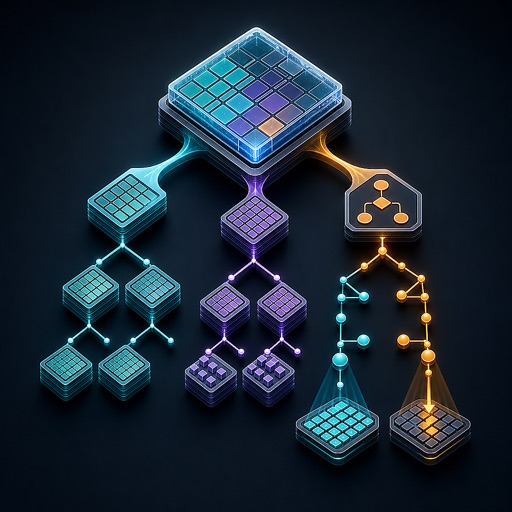
- Any resource or Bundle, inspected: census by resource type, entry problems, duplicate identities
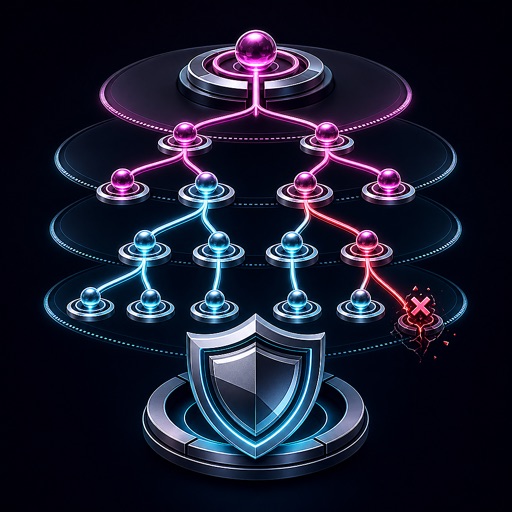
- Every reference collected with its source path — and inside a Bundle, resolved, so a reference to a missing entry is a named defect with a location
SHARE SAFELY
- De-identification with an explicit, visible rule list: patient names, identifiers, birth dates, addresses, phones, SSN, next of kin, guarantor and insurance names
- A redaction report of exactly what was removed — and untouched fields preserved byte-for-byte
- Share the de-identified copy as a file
PRIVATE BY CONSTRUCTION
Everything happens on this device. No account, no network calls, no analytics. Paste a message, learn the truth about it, and share only what is safe.
Includes three synthetic worked samples — an admission, a lab result, and a Bundle with a deliberately broken reference — so you can see every feature before pasting your own data.



A Shadowfetch app. Published on the App Store by Robert Corbin.