
Technology
Samsung’s Flex Titanium foldable display is promising — but not proof yet
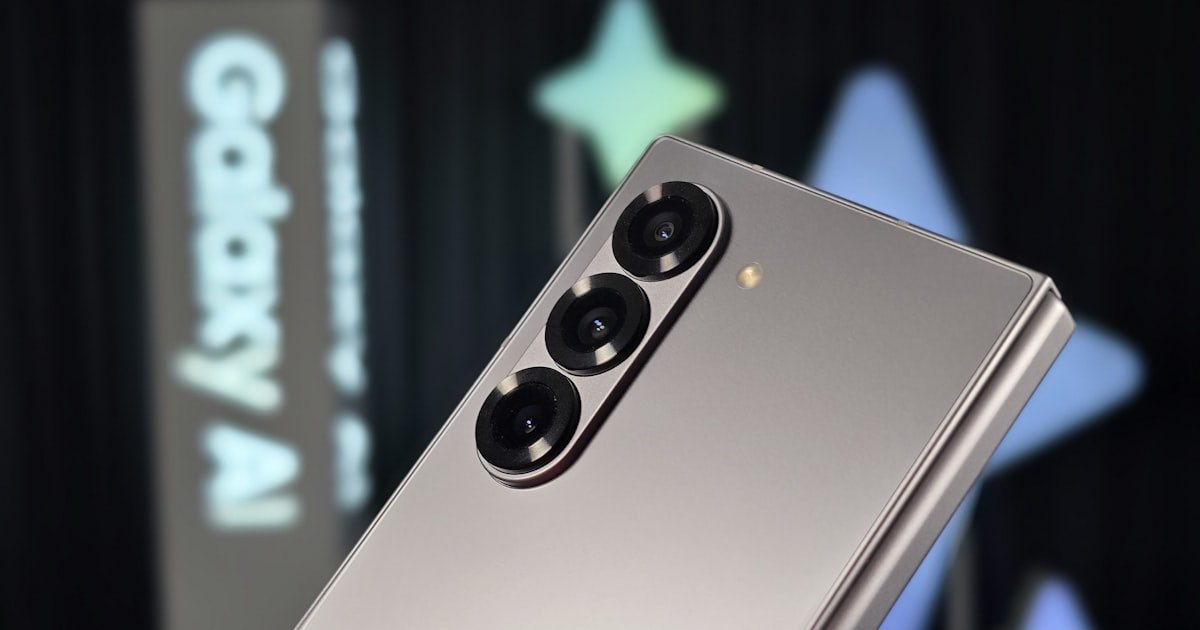
Samsung’s new Flex Titanium display stack could make Galaxy foldables feel less compromised, but buyers should wait for July 22 details, repair costs, and independent testing.

Technology reporting
Samsung’s most useful Galaxy development today is not a new phone spec sheet. It is a display-stack change that could affect the next generation of Galaxy foldables in the places owners actually feel: the crease, the panel’s support structure, repair risk, and battery life.
On July 15, Samsung announced “Flex Titanium,” a foldable-display technology it says will debut in its next-generation Galaxy foldable devices. The company says the new structure combines a titanium-alloy film under the OLED panel with a titanium plate beneath the display module. In Samsung’s framing, those two titanium-based layers are meant to balance three goals foldables have been wrestling with for years: stay thin, bend repeatedly, and feel less compromised when opened flat.
That matters because foldables are no longer novelty hardware. They are expensive daily computers with a fragile-looking seam at the center of the experience. A less visible crease would make reading, multitasking, photo editing, and video viewing feel more like a normal tablet surface. A better-supported display could also make taps and swipes across the fold feel less hollow. But Samsung has not published independent durability results, repair pricing for the upcoming devices, dust-resistance details, or real battery-life measurements for the new stack. So the right reaction is interest, not applause.
What changed
The new piece is the display structure, not a confirmed product lineup. Samsung says Flex Titanium uses two titanium-based components.
First, a titanium-alloy film sits below the OLED panel. Samsung says this film provides “20 times greater mechanical stiffness” than polymer film while being roughly one-third the thickness of an average human hair. That is a meaningful engineering claim, but it is still a first-party claim. Mechanical stiffness does not automatically translate into fewer broken screens, lower repair bills, or a crease that stays shallow after a year in a backpack.
Second, Samsung says a titanium plate sits beneath the display module. The company describes it as a flexible support structure that uses micro-patterned holes in the folding section and tighter bonding to reduce air gaps between the display module and adhesive. Translated out of materials-engineering language: Samsung is trying to give the bendable screen a firmer, more continuous foundation without making the whole device too stiff to fold.
Samsung also says the new display integrates a high-resolution architecture and next-generation organic materials to reduce power consumption. That could matter if the next Galaxy Z Fold or Flip keeps pushing brighter, denser screens. But Samsung did not disclose panel resolution, refresh behavior, brightness, power draw, device battery capacity, or tested runtime. Until those numbers arrive, “better efficiency” should be treated as a direction, not a buying claim.
Why it matters
Foldable screens are a bundle of compromises. They need to behave like glass, bend like a hinge component, resist pocket grit and drops, and still look premium when you are staring directly at the crease. Samsung’s announcement addresses the most visible psychological barrier for many would-be foldable buyers: that center line.
If Flex Titanium works as Samsung describes, the real-world benefits would be practical. Text could look less warped across the fold. A stylus or fingertip might cross the center with less of a dip. A thinner, stiffer internal support layer could help Samsung keep future foldables slim without making the main display feel underbuilt. And if the promised efficiency improvement shows up in full-device testing, owners could see either longer battery life or more headroom for brighter displays.
But the tradeoff is that foldable displays are systems, not single materials. The OLED panel, ultra-thin glass or cover layer, adhesive, hinge, protective film, frame, waterproofing, software palm rejection, and repair process all matter. A stronger support layer can help one part of the stack while other parts remain vulnerable. Samsung’s announcement does not establish how Flex Titanium performs after heat cycling, sand exposure, pocket pressure, drops onto the hinge corner, or repeated folding beyond internal lab conditions.
The repair question is especially important. Samsung’s U.S. support page currently lists a Galaxy Z Fold7 inner screen repair at $589 and a Galaxy Z Flip7 inner screen repair at $329. Those are not prices for the next-generation models, but they are a useful reminder that the inner foldable display is still the expensive part of ownership. A buyer should not treat “titanium” as a warranty. Unless Samsung changes repair pricing, coverage, or serviceability, the owner’s financial exposure may remain high even if the display stack improves.
Who is affected
The most directly affected group is people considering a Galaxy Z Fold or Z Flip purchase in the next few weeks. Samsung has already scheduled Galaxy Unpacked for July 22 in London, where it says it will unveil the next generation of Galaxy devices. Flex Titanium is explicitly tied to those upcoming foldables, so anyone about to buy a current foldable should pause unless they need a phone immediately or have a strong discount.
Current Galaxy Z owners are not getting a software upgrade that makes their physical crease disappear. This is hardware. If you own a recent Fold or Flip and are happy with it, today’s news is a reason to watch the July 22 launch, not a reason to upgrade blind.
People who rejected foldables because of the visible crease should pay attention, but with a clear test list. Look for hands-on photos at multiple angles, not just front-on studio shots. Watch for reviewers dragging text, white backgrounds, and video across the fold. Ask whether the crease is less visible under indoor lighting, outdoors, and after the device has been folded for days. A new support layer can reduce one annoyance without eliminating the basic physics of a bending display.
Enterprise buyers should be more cautious. Foldables can be excellent for mobile document review, field work, and multitasking, but fleet ownership depends on repair logistics and predictable downtime. Before approving a refresh, procurement teams should wait for region-specific service terms, screen-repair pricing, accidental-damage coverage, and replacement-device availability.
What buyers and owners should do now
If you were planning to buy a Fold or Flip this week, wait until July 22 unless your current phone is broken. Samsung has now confirmed a display technology that will debut in the next-generation Galaxy foldables, and the launch is close enough that buying blind today gives up too much information.
At the launch, do not grade the phones by thinness alone. Thin foldables photograph beautifully, but daily ownership is about the hinge feel, dust handling, battery life, case compatibility, repair cost, and whether the inner display still feels delicate. The useful questions are: What is the official water and dust resistance rating? Is the protective film user-removable or service-only? What does Samsung Care+ cover in your country? What are the out-of-warranty inner-display repair prices? How many years of Android and security updates are promised? Does the device run cooler or longer with the new display, or is the efficiency gain spent elsewhere?
If you already own a Galaxy Z Fold7 or Z Flip7, do not upgrade on the material name. “Titanium” sounds reassuring because it is associated with strength, but Samsung’s own announcement is about a specific internal display structure, not an indestructible exterior shell. Wait for independent durability testing, long-form reviews, and service pricing.
If you are foldable-curious but risk-averse, the best move is boring and correct: wait for at least the first wave of repair data and owner reports. Launch-day hands-on impressions can tell us whether the crease looks better. They cannot tell us how the panel ages after months of opening, pocket grit, summer heat, and drops.
What remains unverified
Samsung has not yet disclosed the exact Galaxy models that will use Flex Titanium, their prices, regional availability, final display specifications, repair costs, or full durability test methodology. It has not published third-party measurements showing the crease reduction or the claimed power-efficiency improvement. It has not said whether Flex Titanium changes the protective film policy, service procedure, or screen replacement cost.
So the bottom line is straightforward: Flex Titanium is potentially the most consequential Samsung development today because it targets the foldable category’s most human problem — the feeling that the main screen is both magical and vulnerable. But until the July 22 devices are announced and independently tested, it is a credible engineering claim, not a proven owner benefit.
Sources
- Samsung Mobile Press: “Samsung Introduces Flex Titanium Technology To Advance Foldable Displays”
- Samsung Mobile Press: “Galaxy Unpacked July 2026: A New Shape Unfolds”
- Samsung US: Galaxy Z foldable phone lineup
- Samsung Support US: cracked screen repair pricing
Shadowfetch is a technology publication. Explore Shadowfetch Linux — our own Linux build — and the Shadowfetch apps on the App Store.
Sources
- Samsung Mobile Press: “Samsung Introduces Flex Titanium Technology To Advance Foldable Displays”
- Samsung Mobile Press: “Galaxy Unpacked July 2026: A New Shape Unfolds”
- Samsung US: Galaxy Z foldable phone lineup
- Samsung Support US: cracked screen repair pricing
The article cites Samsung Mobile Press announcements, Samsung US product pages, and Samsung Support US repair pricing.
Evidence types: company announcement, support page, product page
Links verified
See a problem in this story? Report an error · Corrections policy · Our methodology
The Daily Download
One morning email: the day’s biggest technology stories — AI, new devices, and the companies shaping them.
Related coverage
 Technology
Review: Nintendo Switch 2 is the safe upgrade — and that is mostly the point
Jen Perting ·
 Technology
Painted e-tattoos make the wearable sensor the disposable part
Katie Browder ·
 Technology
Apple Intelligence clears a China hurdle, but users should wait for the fine print
Lyra Kensington ·