War & Conflict2026-07-02 · 2 min read
Gaza access zones expand as UN warns humanitarian work is shrinking
The latest publishable line is narrow but important: humanitarian groups say expanding Israeli-controlled and access-restricted areas in Gaza are leaving…

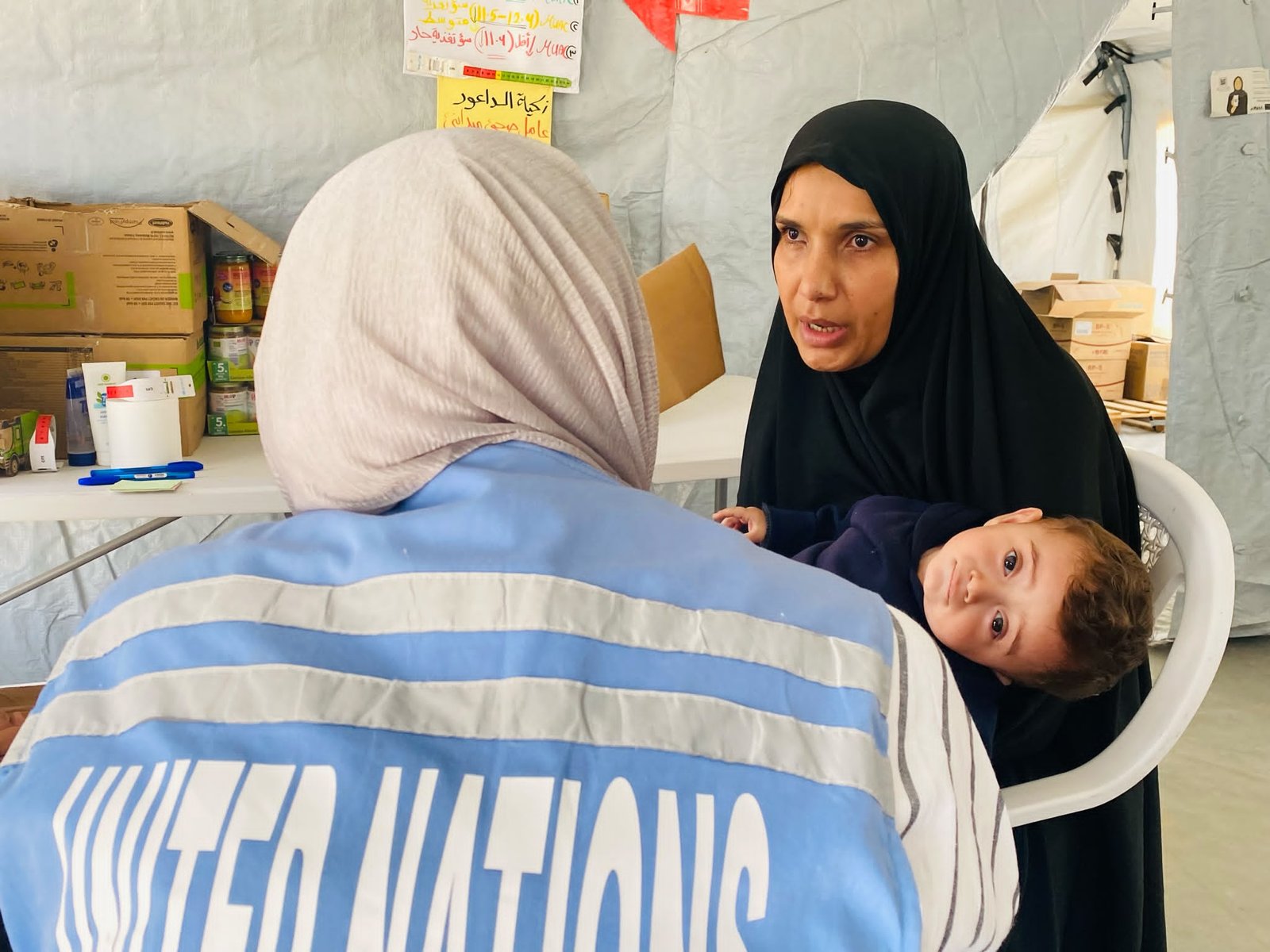
The latest publishable line is narrow but important: humanitarian groups say expanding Israeli-controlled and access-restricted areas in Gaza are leaving civilians with less space and aid workers with fewer reliable routes.
As of July 2, 2026, 23:25 GMT, OCHA’s July 1 statement reported that the UN had verified 196 Palestinians killed in Israeli attacks reported near areas where Israeli forces are deployed since the October 2025 ceasefire agreement.
The concrete operating picture is also stark. In its June 26 humanitarian situation report, OCHA said access-restricted areas in Gaza now account for 65 percent of the land. Most are off limits to residents, all require coordination procedures for humanitarian organizations, and sea access remains prohibited. The same report said families fled part of Beit Lahia after Israeli forces advanced and marked further encroachment of the “Yellow Line.”
OCHA’s July 1 statement, issued by the Humanitarian Country Team in the occupied Palestinian territory, said movement restrictions are causing delays or pauses in life-saving work. Some partners, it said, have scaled down or temporarily suspended activities, particularly after service providers were killed in those areas. The result is not just a map problem; it is a delivery problem for food, health, water, sanitation and protection work in a territory where displacement is already repeated and dense.
Israel has said its forces operate in Gaza for security reasons after the Hamas-led October 2023 attack and continuing threats. The humanitarian issue now is whether those security measures are being enforced in ways that civilians can understand, avoid and survive, and whether aid groups can still reach people without being pushed into stop-start access negotiations.
For Shadowfetch readers, the watch point is the line between “restricted” and “unreachable.” If 65 percent of Gaza’s land is effectively outside normal civilian and humanitarian movement, each further shift in deployment lines can move families again and break another route for aid.
Sources: OCHA Humanitarian Country Team statement, July 1, 2026, OCHA humanitarian situation report, June 26, 2026
The Shadowfetch Brief
Get The Shadowfetch Brief
Stories like this — every side, one short morning email. Free.