Cars & Auto2026-07-03 · 3 min read
Ford recall turns quiet hybrids into a safety issue
Ford’s newest safety recall is not about batteries, fire risk, or a dramatic mechanical failure. It is about a missing sound — and that matters because quiet hybrids are legally…

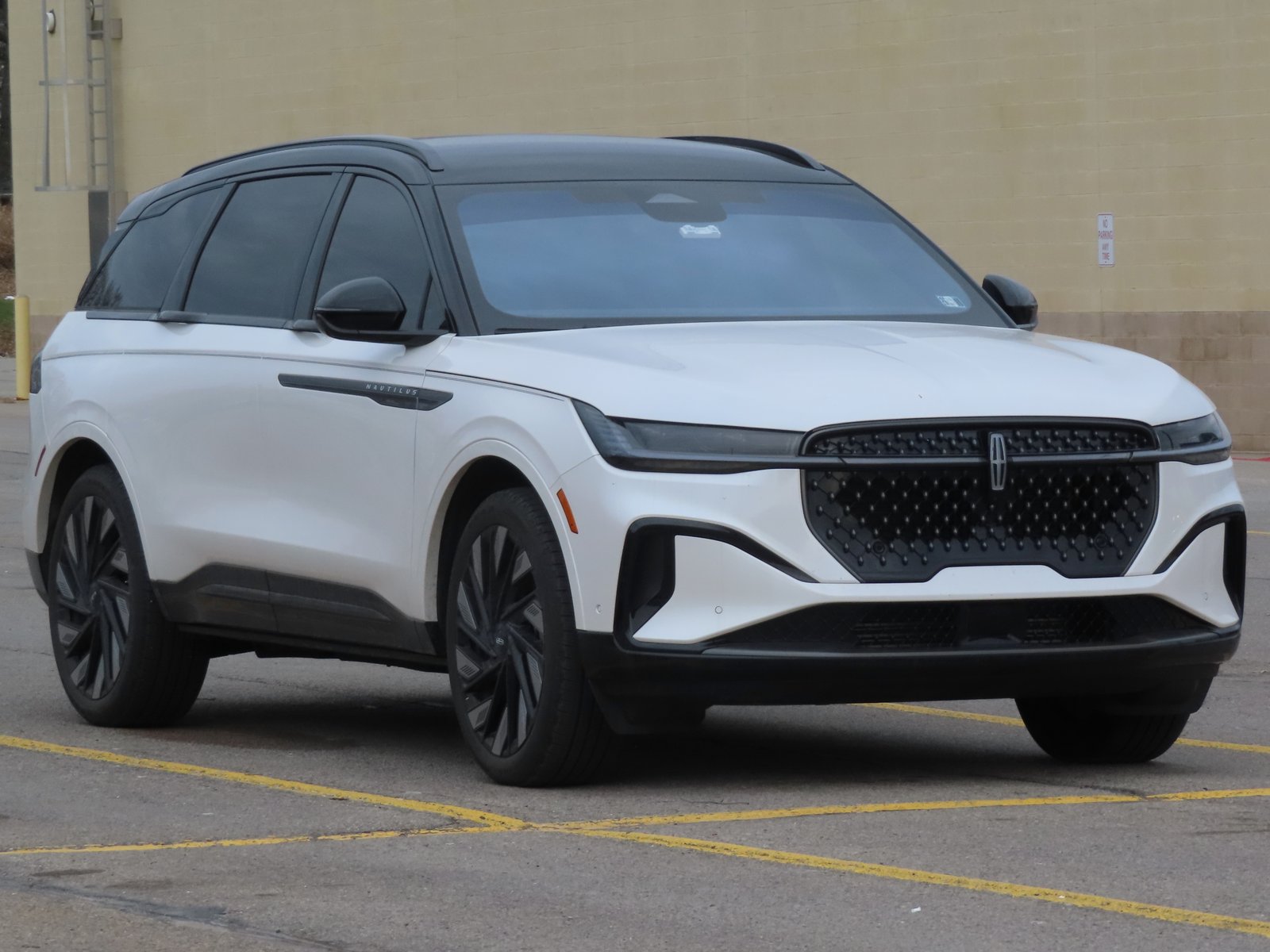
Ford’s newest safety recall is not about batteries, fire risk, or a dramatic mechanical failure. It is about a missing sound — and that matters because quiet hybrids are legally required to make enough noise for pedestrians to notice them at low speed.
The key number: NHTSA campaign 26V415000 covers 66,383 Ford and Lincoln hybrids. The affected vehicles are certain 2024-2027 Lincoln Nautilus Hybrid and 2025-2027 Ford Explorer Hybrid models. NHTSA’s recall data says a software error may prevent the vehicles from making the pedestrian warning sound at certain speeds, which can fail to alert pedestrians and increase injury risk.
No, this is not a “do not drive” recall. NHTSA’s record marks both “Do Not Drive Advisory” and “Park Outside Advisory” as “No.” But it is a useful reminder that modern car safety now includes the boring software path between a sensor, a sound module, and a pedestrian who cannot hear an electric-mode SUV creeping through a parking lot.
Why the sound is not optional
The regulatory hook is Federal Motor Vehicle Safety Standard No. 141, the minimum-sound rule for hybrid and electric vehicles. The eCFR text says the standard is meant to reduce injuries from electric and hybrid vehicle crashes with pedestrians by requiring sound levels and characteristics that let those vehicles be detected and recognized.
The rule applies to electric vehicles and qualifying hybrids under 10,000 pounds GVWR, including passenger cars, multipurpose passenger vehicles, trucks, and buses. It also gets specific: vehicles must emit sound when stationary in certain drive-ready states, in reverse, and at low forward pass-by speeds. The requirements step through bands and speed ranges, including constant speeds below 20 km/h, 20 to under 30 km/h, and 30-32 km/h.
That is the part worth paying attention to. A missing pedestrian alert is not merely an annoying chime bug. It can be a federal compliance problem wrapped inside an audio-system problem.
Ford’s remedy is not fully uniform yet. NHTSA’s record says dealers will replace the digital signal processing module in Nautilus Hybrid vehicles equipped with 28 speakers, free of charge. For other affected Nautilus and Explorer Hybrid vehicles, the remedy is still under development. Interim owner letters are expected August 3, 2026; Ford’s internal recall number is 26S51. VINs involved in the campaign are expected to become searchable on NHTSA.gov beginning July 7.
The pattern is broader than Ford
There is also a smaller, cleaner example in the same latest NHTSA batch. NHTSA campaign 26V420000 covers 5,469 Teko vehicles — 2026 Triumph, Turbo, TurboLite, Trophy, and Trophy Plus models — because the acoustic vehicle alerting system may not have been installed. That campaign explicitly cites FMVSS 141 and says the missing sound can fail to alert pedestrians, increasing crash or injury risk.
Put the two campaigns together and the late-June records cover 71,852 vehicles with pedestrian-warning-sound problems. The companies and vehicle types are different, but the engineering lesson is the same: quiet propulsion pushes safety work into software, audio modules, supplier controls, and end-of-line verification.
Cheap is good. Fragile is expensive wearing a hoodie. On hybrids and EVs, “can people hear it coming?” is now part of the safety case, not a trim-level flourish.
For owners, the practical move is simple: check the VIN when NHTSA lookup opens for the campaign, watch for the interim letter, and do not assume a quiet hybrid is just being refined. Sometimes silence is the defect.
_Image source: Wikimedia Commons, CC BY-SA 4.0, 4433×3324._
The Shadowfetch Brief
Get The Shadowfetch Brief
Stories like this — every side, one short morning email. Free.