Nature & Outdoors2026-07-03 · 3 min read
Houston toad recovery puts three million eggs into Texas ponds
The answer-first version: the Houston toad’s 2026 recovery push is not just “more eggs.” It is a field test of whether egg reintroductions, private-land habitat work, and better…

The answer-first version: the Houston toad’s 2026 recovery push is not just “more eggs.” It is a field test of whether egg reintroductions, private-land habitat work, and better connectivity can give one of America’s long-endangered amphibians enough usable landscape to keep breeding on its own.
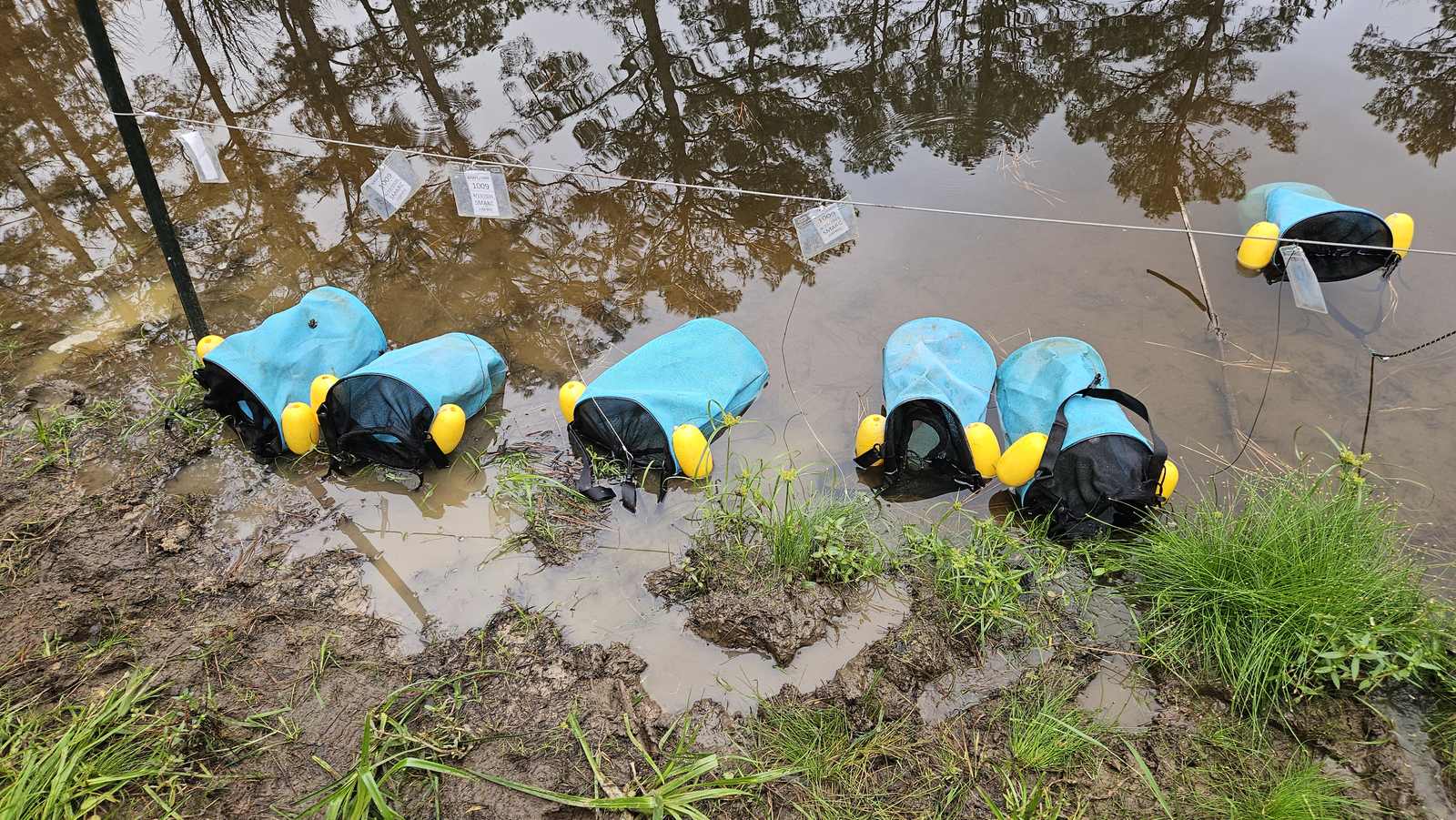
The U.S. Fish and Wildlife Service said on June 30 that biologists and partners are working to reintroduce three million Houston toad eggs in 2026 across three sites. On one April morning in Bastrop County, Texas, crews carried 170,000 eggs to the edge of a pond, placing them in protective buckets as part of that effort. The agency’s new story is here: “Reintroductions and habitat restoration improve the odds for Houston toad”.
That is the attention-grabbing number. The more important question is what happens after hatching.
Houston toads need both water and woods. Eggs and tadpoles need ponds that last long enough for development. Juveniles and adults then need adjacent upland habitat: sandy soils, forest cover, shelter, and open understory that lets small animals move between breeding sites. The Fish and Wildlife Service’s ECOS species profile lists the Houston toad as endangered, with its original federal listing dated October 13, 1970; the current recovery plan was finalized in 2022: ECOS species profile.
The bottleneck is movement
The Houston toad is not being held back by one missing ingredient. It is being squeezed by habitat loss, habitat fragmentation, drought risk, and small isolated populations. That makes this year’s reintroduction push less like a single rescue operation and more like a connectivity campaign.
Fish and Wildlife’s June 30 account says the species disperses from ponds into deep, sandy loblolly pine forest soil and may move up to three miles. Dense yaupon holly, eastern red cedar, and non-native mat-forming grasses can turn that route into a wall. If toads cannot move between ponds and forest patches, they have fewer breeding chances and less genetic exchange.
Hannah Gilbreath, a Service biologist in the Austin Ecological Services Field Office, put the recovery logic plainly: “If we can get more eggs out on the landscape and create connectivity between populations, that would improve the species health and viability into the future.”
A 2024 Texas A&M Natural Resources Institute habitat-modeling report backs up why connectivity is the hard part. Researchers found that deep sand in soil samples was the most important variable in their models — generally at least six times more important than the next variable — and that connectivity analysis showed little habitat connectivity among core areas at higher probability thresholds. Their conclusion was blunt: isolation means population connectivity “will have to be achieved through the captive breeding process” for this species. The report is here: Habitat Suitability Modeling for the Houston Toad.
What to watch next
Three things decide whether the 2026 egg push becomes a durable recovery signal rather than a big release number:
1. Pond survival: whether enough eggs make it through hatching, tadpole development, and metamorphosis.
2. Habitat opening: whether brush treatment and understory work create paths between ponds and upland shelter.
3. Private-land enrollment: whether enough landowners keep joining voluntary programs, since much of the habitat is not public land.
The landowner piece is already visible. Fish and Wildlife says its Partners for Fish and Wildlife Program provides free technical and financial help for habitat work, often mechanical mulching of thick understory followed by targeted treatment to control resprouting. The same story says Texas Parks and Wildlife’s Houston Toad Safe Harbor Agreement has enrolled 2,600 acres to date.
That matters because the recovery plan is not asking the toad to survive in a museum case. It is asking a small amphibian to move through working, privately owned Texas landscapes while heat, drought, land-use change, and fragmented habitat keep changing the map.
So the fair read on this week’s news is cautious optimism. Three million eggs is a serious intervention. But the recovery test is not the count in the buckets. It is whether those eggs land in places connected enough for the next generation of Houston toads to find water, forest, mates, and room to move.
The Shadowfetch Brief
Get The Shadowfetch Brief
Stories like this — every side, one short morning email. Free.