2026-07-03 · 3 min read
Sudan El Obeid faces UN red-alert warning
UN officials used an urgent Human Rights Council debate on July 3 to warn that El Obeid, the capital of Sudan’s North Kordofan state, is facing an immediate risk of further…

UN officials used an urgent Human Rights Council debate on July 3 to warn that El Obeid, the capital of Sudan’s North Kordofan state, is facing an immediate risk of further atrocities as fighting tightens around the city. UN News reported that High Commissioner for Human Rights Volker Türk called for urgent action by world leaders, saying civilians have faced “relentless” drone attacks and siege-like conditions while the Sudanese Armed Forces and the Rapid Support Forces fight for control around the city.
The concrete data point is stark: UN News, citing Türk’s office, reported that the UN Human Rights Office documented 15 drone strikes on El Obeid and surrounding areas in three weeks in June, killing at least 45 civilians. The same UN account said El Obeid has more than half a million residents and at least 100,000 internally displaced people, many of whom had already fled other devastated Sudanese cities.
What the UN says is happening
UN News reported that Türk told the council drones launched by both sides have struck markets, schools, fuel stations, water infrastructure and civilian vehicles across Kordofan. The UN account also attributed to Türk’s office documented patterns of summary executions, abductions, torture and ill-treatment, sexual violence and looting along routes used by displaced people in the region.
The warning is not only about casualty counts. UN News reported that shortages of water, fuel, transport and medical care are limiting civilians’ choices, and that some residents are selling belongings to pay for routes out of the city. The same report said attacks on vehicles along exit routes and high transport costs make leaving impossible for many people.
Mona Rishmawi of the Independent International Fact-Finding Mission for Sudan told the urgent debate that “fear is pervasive,” according to UN News. The UN account said she described reported strikes on hospitals, markets, schools and residential areas, with women and children among those killed and injured. The International Organization for Migration also told UN News that newly displaced people across Kordofan had risen by nearly two-thirds in three months and that it had recorded more than 100 displacement-causing incidents in less than nine months.
The rights and accountability question
Human Rights Watch said the Human Rights Council’s July 3 debate was significant because it was a prevention-focused session rather than a meeting after mass harm had already occurred. In a July 3 dispatch, HRW said the council met after rights groups appealed for action on the risk of atrocities in and around El Obeid.
HRW also said the UN Fact-Finding Mission had reported an increasing and apparently indiscriminate barrage of RSF drone attacks in and around El Obeid, including reported strikes affecting hospitals, markets, schools and residential areas. In a separate statement delivered at the council, HRW said people in El Obeid described bombardment that was hampering movement and hitting critical infrastructure, while residents struggled to access food, water, electricity and other essentials.
The accountability lane remains unresolved. UN News reported that Türk urged the Security Council to fulfil its responsibility to prevent atrocity crimes and welcomed continued International Criminal Court engagement on Sudan. HRW, in its council statement, called for continued investigations by the Fact-Finding Mission into abuses by all parties, evidence preservation for future accountability, wider sanctions against those responsible for serious violations, and measures to protect civilians.
For readers, the immediate issue is narrow and urgent: credible UN and HRW sources are not describing a settled post-attack investigation. They are warning that the window for prevention is open now, while civilians in El Obeid are still inside the risk zone and humanitarian access remains constrained.
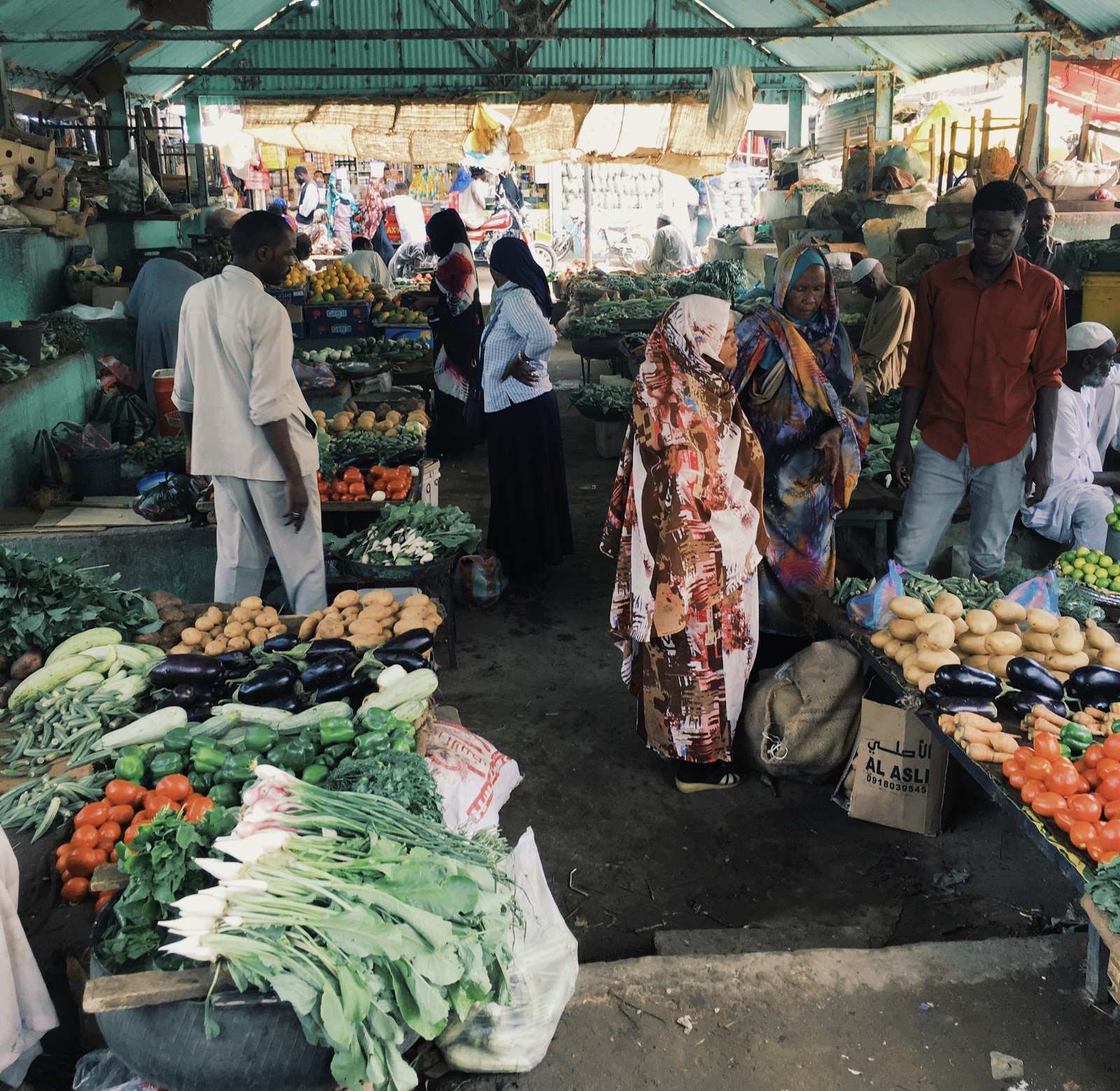
Image: “Everyday shopping,” Al-Ubayyid, Sudan, Wikimedia Commons, CC BY-SA 4.0. Source file page.
Sources: UN News, July 3, 2026; Human Rights Watch dispatch, July 3, 2026; Human Rights Watch statement, July 3, 2026.
The Shadowfetch Brief
Get The Shadowfetch Brief
Stories like this — every side, one short morning email. Free.