
Health
Your summer workout does not need to be heroic. It needs a heat plan.
When heat risk climbs, the safest fitness move is not quitting movement — it is changing the dose, timing, intensity, and recovery plan.

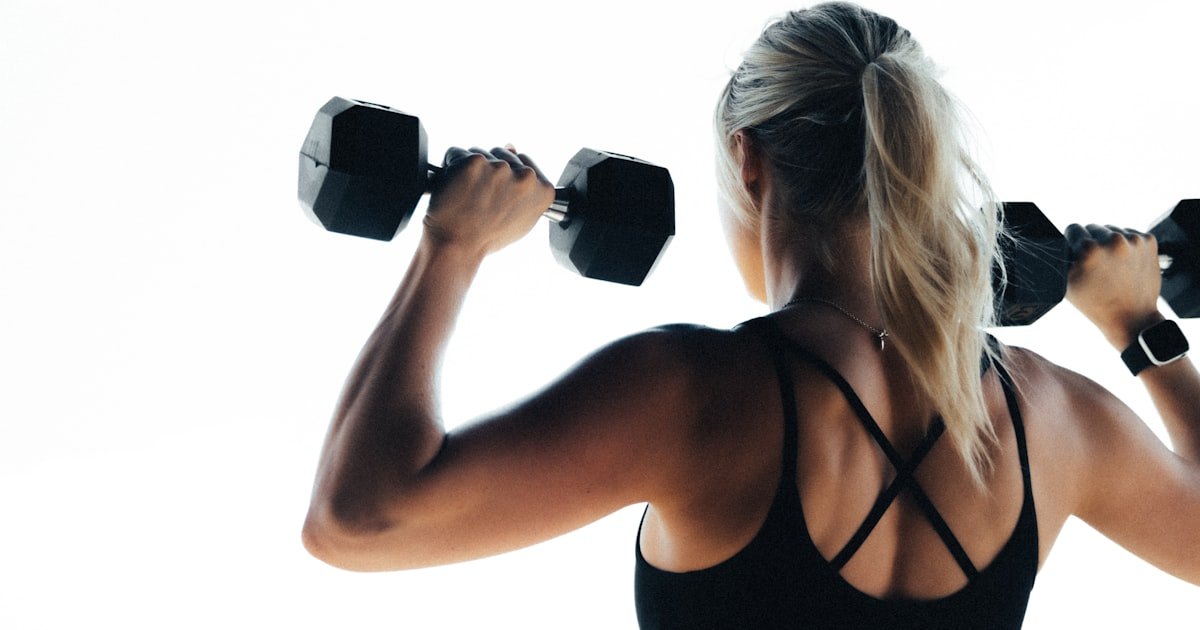
Heat changes exercise before it changes your motivation. The same walk, run, pickleball match, yard work session, wheelchair roll, or strength circuit that felt ordinary in April can ask much more of your heart, skin, sweat glands, attention, and recovery in July. That does not mean movement has to disappear until fall. It means the goal shifts from proving toughness to protecting capacity: keep moving, lower the heat load, and know when the safest training choice is the shorter one.
This is timely because heat is not just uncomfortable background weather. Public-health agencies now treat extreme heat as a health hazard, and forecasters increasingly pair temperature with humidity, nighttime relief, duration, and local vulnerability. The National Weather Service’s HeatRisk system, developed with CDC input, is meant to help people anticipate heat-related impacts over a 24-hour period, not simply admire a high-temperature number. A red or magenta heat-risk day is not a personal-character test. It is information you can use.
The practical takeaway: during hot spells, keep the habit but change the dose. Move earlier, later, indoors, shorter, easier, or seated. Break sessions into pieces. Treat symptoms seriously. If you have a chronic condition, take medications affected by heat, are pregnant, are recovering from illness, or have had heat illness before, talk with a clinician or qualified professional about a heat plan before trying to “push through.” This column is general education, not individualized medical advice.
What the evidence actually shows
The basic exercise target has not changed. The CDC and the Physical Activity Guidelines for Americans recommend that most adults aim for at least 150 minutes a week of moderate-intensity aerobic activity, or 75 minutes of vigorous activity, plus muscle-strengthening work on at least two days a week. WHO frames physical activity broadly: walking, cycling, wheeling, work, household tasks, sport, and active recreation all count. The point is not gym purity. It is regular movement that fits real life.
Heat complicates that target because your body has to solve two problems at once: supply working muscles and dump excess heat. When temperature and humidity rise, sweat evaporates less efficiently, skin blood flow competes with muscle blood flow, heart rate tends to climb at a given pace, and perceived effort rises. A moderate effort can feel vigorous. A route that usually feels easy can become the day’s hard workout.
Sports-medicine guidance has been clear for years that exertional heat illness can occur during long-duration or high-intensity activity, and that risk is higher when people are not heat-acclimatized, are dehydrated, recently ill, using certain medications, or exercising in high heat and humidity. The American College of Sports Medicine’s position stand on exertional heat illness notes that heat exhaustion and exertional heat stroke can overlap in real-world settings, and that exertional heat stroke is a medical emergency defined by very high core temperature with central nervous system dysfunction. The National Athletic Trainers’ Association similarly emphasizes prevention, early recognition, emergency planning, and rapid cooling.
The uncertainty matters. We cannot look at one weather app number and precisely predict how a specific person will respond. Fitness level, age, disability, body size, sleep, alcohol use, infection, medications, clothing, shade, pavement heat, humidity, air quality, pace, and access to cooling all change risk. A 2024 Journal of Applied Physiology study from the PSU HEAT Project found that environmental thresholds for rising core temperature and heart-rate strain shift lower with age during low-intensity activity in hot-dry and warm-humid conditions. That does not mean older adults should avoid movement; it means heat planning should be more conservative, especially when overnight temperatures do not drop.
Heat adaptation is real, but it is not magic armor. Meta-analyses of heat acclimation suggest repeated, controlled heat exposure can improve some performance and comfort measures in trained groups, though results vary by protocol and population. One 2019 systematic review and meta-analysis of randomized trials in athletes found a modest improvement in time-trial performance, but limited or inconsistent changes across several physiological markers. That evidence is strongest for monitored athletic settings, not for a person deciding to sprint at noon during a heat alert. Acclimation also fades if exposure stops, and it does not remove the need for fluids, shade, rest, and symptom awareness.
Hydration helps, but “drink more” is too blunt. The American College of Sports Medicine’s fluid-replacement position stand recommends starting activity normally hydrated, avoiding excessive dehydration during exercise, and replacing fluid and electrolytes afterward as needed. It also warns that sweat rate and sweat electrolyte loss vary widely. For most short, easy sessions, water and normal meals are enough. For longer, hotter, sweatier sessions, especially beyond about an hour, some people may need sodium-containing fluids or food. More is not always better: drinking far beyond thirst during long events can contribute to low blood sodium. People with heart, kidney, endocrine, or blood-pressure conditions, or fluid restrictions, should get personal guidance.
A concrete heat-smart movement plan
Use this as a general framework, then adjust for your body, location, access, and professional advice.
1. Check heat risk before you choose the workout
Do not plan only around the high temperature. Look at humidity, heat index, HeatRisk, air quality, and whether the night cooled down. The National Weather Service notes that heat index values assume shade and light wind; full sun can make it feel up to 15°F hotter. Wet Bulb Globe Temperature, when available, is especially relevant for active people because it accounts for temperature, humidity, wind, sun angle, and solar radiation.
If the day is in a higher-risk category, change the workout before symptoms force you to. Move it indoors, cut duration, lower intensity, choose shade, switch from intervals to easy effort, or split one session into two short ones.
2. Keep the habit; shrink the heat dose
A heat wave is a good time for “minimum effective movement.” That could be:
- 10 minutes of easy walking, rolling, or cycling in the coolest part of the day.
- Two 8-minute indoor strength blocks: sit-to-stands or chair squats, wall push-ups, rows with a band, calf raises, dead bugs, or suitcase carries.
- A mobility circuit in a cool room: ankle circles, hip hinges, thoracic rotations, shoulder rolls, supported lunges, or gentle yoga shapes.
- Water walking or pool movement, if accessible and safe.
- A shaded errands walk with rest stops rather than a separate workout.
This is not “less disciplined.” It is good programming. You are preserving the routine while reducing the environmental load.
3. Use effort, not ego, as the governor
On hot days, pace should answer to perceived exertion. If your usual easy pace feels like a grind, slow down. If you use the talk test, moderate intensity usually allows speech in sentences; vigorous intensity makes sustained conversation difficult. During heat, many readers will be better served by staying below their normal training intensity.
For strength training, heat may call for more rest between sets, fewer total sets, lighter loads, or a cooler location. Heavy lifting in a hot garage can become more stressful than the same session in a ventilated or air-conditioned space. Disabled athletes, people using mobility aids, and people with altered sweating, circulation, or sensation may need extra caution because heat strain may not announce itself in the same way.
4. Make cooling part of the workout, not an afterthought
Before: drink according to thirst and normal routine, eat enough, and avoid starting hard activity already overheated. If you have been sick, slept poorly, had alcohol, or spent hours in heat, choose a lighter session.
During: use shade, rest breaks, cooling towels, misting, a fan in safe indoor temperatures, or indoor routes when possible. The CDC cautions that fans are not enough in very hot indoor conditions; when indoor temperatures are above 90°F, fan use can increase body temperature. If you do not have reliable cooling, local cooling centers, libraries, malls, community centers, or transit-accessible public spaces may be part of your movement plan.
After: cool down gradually, move to a cooler place, replace fluids, and pay attention to delayed symptoms. Recovery is not just a vibe; it is when your cardiovascular and thermoregulatory systems return toward baseline.
5. Know the stop signs
Stop activity and get to a cooler place if you develop unusual dizziness, headache, nausea, weakness, chills, confusion, muscle cramping that does not settle, shortness of breath, faintness, or unusually heavy sweating. Seek urgent medical help for confusion, collapse, loss of consciousness, hot skin with altered mental status, or symptoms that worsen or do not improve with cooling and rest. In organized events, onsite medical staff should be involved early.
The strongest evidence in exertional heat stroke care is not “walk it off.” It is rapid recognition and rapid cooling. A 2025 case series from an urban half marathon described seven transported patients with exertional heat stroke; those who received cold-water immersion at the scene were discharged from the emergency department, while three who did not receive scene treatment required intensive care admission. A case series is not a universal rule, but it aligns with broader sports-medicine guidance: heat emergencies reward preparation, not delay.
Who should be extra cautious
Anyone can develop heat illness, including fit people. Risk is higher for people who are new to heat, returning after illness, doing long or intense sessions, working outdoors, sleeping in hot rooms, or lacking access to cooling. Extra caution is also warranted for older adults; children and teens; pregnant people; people with cardiovascular, kidney, respiratory, metabolic, neurologic, or mental-health conditions; and people taking medicines that affect fluid balance, sweating, alertness, heart rate, or blood pressure.
Do not stop or change medication because of a workout article. Do ask a clinician or pharmacist whether heat changes your exercise plan, hydration needs, medication storage, or warning signs. Coaches, trainers, physical therapists, and event organizers should have heat policies that include environmental monitoring, rest breaks, activity modification, emergency action plans, and access to cooling.
The honest limits
The evidence is strongest for broad principles: heat raises physiological strain; acclimation can help but varies; hydration should be individualized; rapid cooling matters in exertional heat stroke; public-health guidance supports moving more while reducing heat exposure. The evidence is weaker when it comes to exact universal cutoffs for every body, disability, medication, neighborhood, sport, and indoor environment.
Wearables can be useful for trends, but their heat-stress scores are not verified medical clearance. Social media rules like “never exercise above X degrees” or “just add electrolytes” are too simple. Air-conditioned gym access, safe parks, shaded sidewalks, pool access, flexible work schedules, and transportation all shape what a realistic plan looks like. A good recommendation has to leave room for those constraints.
So here is the sunny, non-heroic version: on hot days, your win is not the most dramatic workout. Your win is staying connected to movement without gambling with heat. Choose the cooler hour. Choose the shorter loop. Choose the chair circuit. Choose the shaded route. Choose rest when symptoms speak up. Fitness is built by repeating useful choices, and in summer, one of the most useful choices is respecting the weather.
Reader-facing sources
- Centers for Disease Control and Prevention: “About Heat and Your Health,” updated July 25, 2025. https://www.cdc.gov/heat-health/about/index.html
- Centers for Disease Control and Prevention: “Adult Activity: An Overview,” updated Dec. 20, 2023. https://www.cdc.gov/physical-activity-basics/guidelines/adults.html
- National Weather Service: “NWS HeatRisk” and heat-safety forecast tools. https://www.wpc.ncep.noaa.gov/heatrisk/ and https://www.weather.gov/safety/heat-index
- World Health Organization: “Physical activity” fact sheet. https://www.who.int/news-room/fact-sheets/detail/physical-activity
- American College of Sports Medicine: “Exertional heat illness during training and competition,” Medicine & Science in Sports & Exercise, 2007. https://pubmed.ncbi.nlm.nih.gov/17473783/
- American College of Sports Medicine: “Exercise and fluid replacement,” Medicine & Science in Sports & Exercise, 2007. https://pubmed.ncbi.nlm.nih.gov/17277604/
- National Athletic Trainers’ Association: “Position Statement: Exertional Heat Illnesses,” Journal of Athletic Training, 2015. https://pubmed.ncbi.nlm.nih.gov/26381473/
- Tyler CJ, Reeve T, Hodges GJ, Cheung SS: “The Effects of Heat Adaptation on Physiology, Perception and Exercise Performance in the Heat: A Meta-Analysis,” Sports Medicine, 2016. https://pubmed.ncbi.nlm.nih.gov/27106556/
- Benjamin CL et al.: “Physiological Responses to Heat Acclimation: A Systematic Review and Meta-Analysis of Randomized Controlled Trials,” Journal of Sports Science & Medicine, 2019. https://pubmed.ncbi.nlm.nih.gov/31191102/
- Wolf ST et al.: “Critical environmental core temperature limits and heart rate thresholds across the adult age span,” Journal of Applied Physiology, 2024. https://pubmed.ncbi.nlm.nih.gov/38813613/
- Poirier MP et al.: “Lessons Learned in the Response to Multiple Cases of Exertional Hyperthermia at an Urban Half Marathon,” Disaster Medicine and Public Health Preparedness, 2025. https://pubmed.ncbi.nlm.nih.gov/41025212/
Sources
This column draws on guidance and position stands from CDC, National Weather Service, WHO, American College of Sports Medicine, National Athletic Trainers' Association, and cited peer-reviewed studies and meta-analyses.
Evidence types: official guidelines, position stands, peer-reviewed studies, public health agency reports
See a problem in this story? Report an error · Corrections policy · Our methodology
The Daily Download
One morning email: the day’s biggest technology stories — AI, new devices, and the companies shaping them.
Related coverage
 health
The $3,000 EMS fitness suit is a good reminder: electricity is not a shortcut around training basics
Zorie Jones ·
 health
Your Wearable’s Sleep Score Is a Signal, Not a Verdict
Zorie Jones ·
 health
The Race to Make a Blood Test Catch Colon Cancer Earlier Just Got More Serious
Zara Desai ·