2026-07-03 · 2 min read
Sahel ICC withdrawals raise human rights accountability concerns
Burkina Faso, Mali and Niger have moved to withdraw from the Rome Statute, and the presidency of the International Criminal Court’s Assembly of States Parties said on July 1 that…

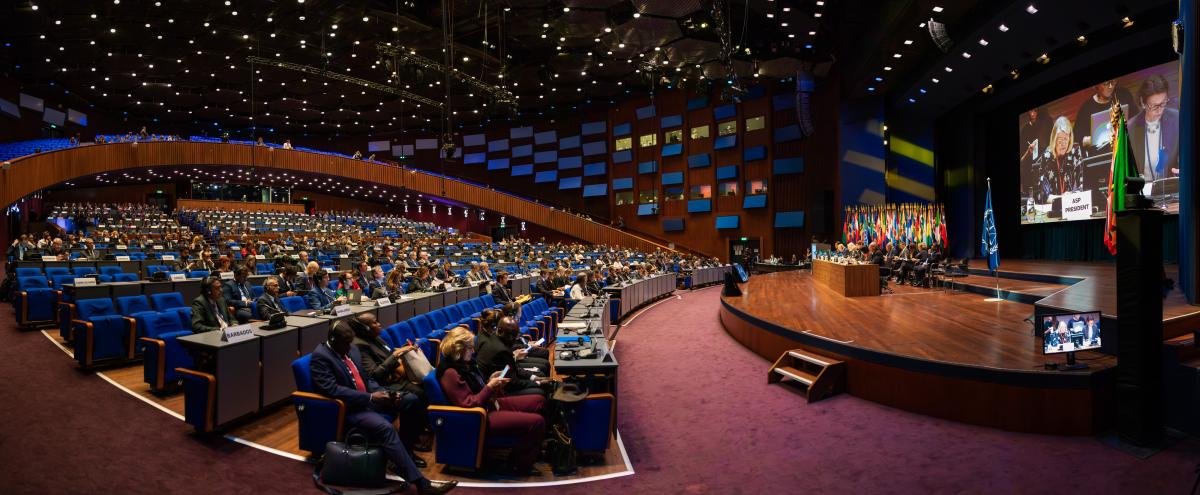
Burkina Faso, Mali and Niger have moved to withdraw from the Rome Statute, and the presidency of the International Criminal Court’s Assembly of States Parties said on July 1 that the step risks weakening international efforts to end impunity. The development matters because Human Rights Watch says the three Sahel governments are facing scrutiny over alleged abuses by security forces while armed conflicts continue.
The concrete data point is simple: three governments are named in the ICC Assembly presidency’s statement — Burkina Faso, Mali and Niger. Human Rights Watch reported that Niger notified the UN secretary-general on June 18, while Burkina Faso and Mali did so on June 24, and said the withdrawals would take effect in one year if not reversed.
The ICC Assembly presidency said withdrawal from the Rome Statute “does not relieve a State Party of obligations arising during the period in which it remained a Party to the Statute.” It also called on the three governments to remain committed States Parties and to engage through the Assembly framework.
Human Rights Watch said the three military-led governments gave similar reasons for leaving the treaty system, including objections to how the court operates. HRW also said those explanations did not address international criticism of alleged atrocities and repression in the three countries.
On the rights conditions, HRW said government forces, allied militias and foreign fighters in the three countries have been accused of mass killings of civilians, arbitrary detentions and forced displacement during counterinsurgency operations. HRW also said authorities in each country have restricted opposition, media and dissent.
The accountability question is narrower than the politics: whether victims of alleged war crimes and other grave abuses will have fewer routes to justice if the withdrawals proceed. The ICC Assembly presidency framed the issue as institutional, saying the court’s effectiveness depends on sustained support from the international community. HRW said the decisions can still be reversed, and urged other governments to press the three states to stay in the Rome Statute system.
Sources: ICC Assembly of States Parties, July 1, 2026: https://www.icc-cpi.int/news/statement-presidency-assembly-states-parties-withdrawals-rome-statute-burkina-faso-mali-and ; Human Rights Watch, July 2, 2026: https://www.hrw.org/news/2026/07/02/sahel-countries-withdrawal-from-icc-betrays-victims
The Shadowfetch Brief
Get The Shadowfetch Brief
Stories like this — every side, one short morning email. Free.