2026-07-03 · 2 min read
Supreme Court geofence ruling gives phone location privacy teeth
The Supreme Court just made one thing plainer for anyone carrying a phone: police access to Google-style location histories is not just a database query. It is a Fourth Amendment…

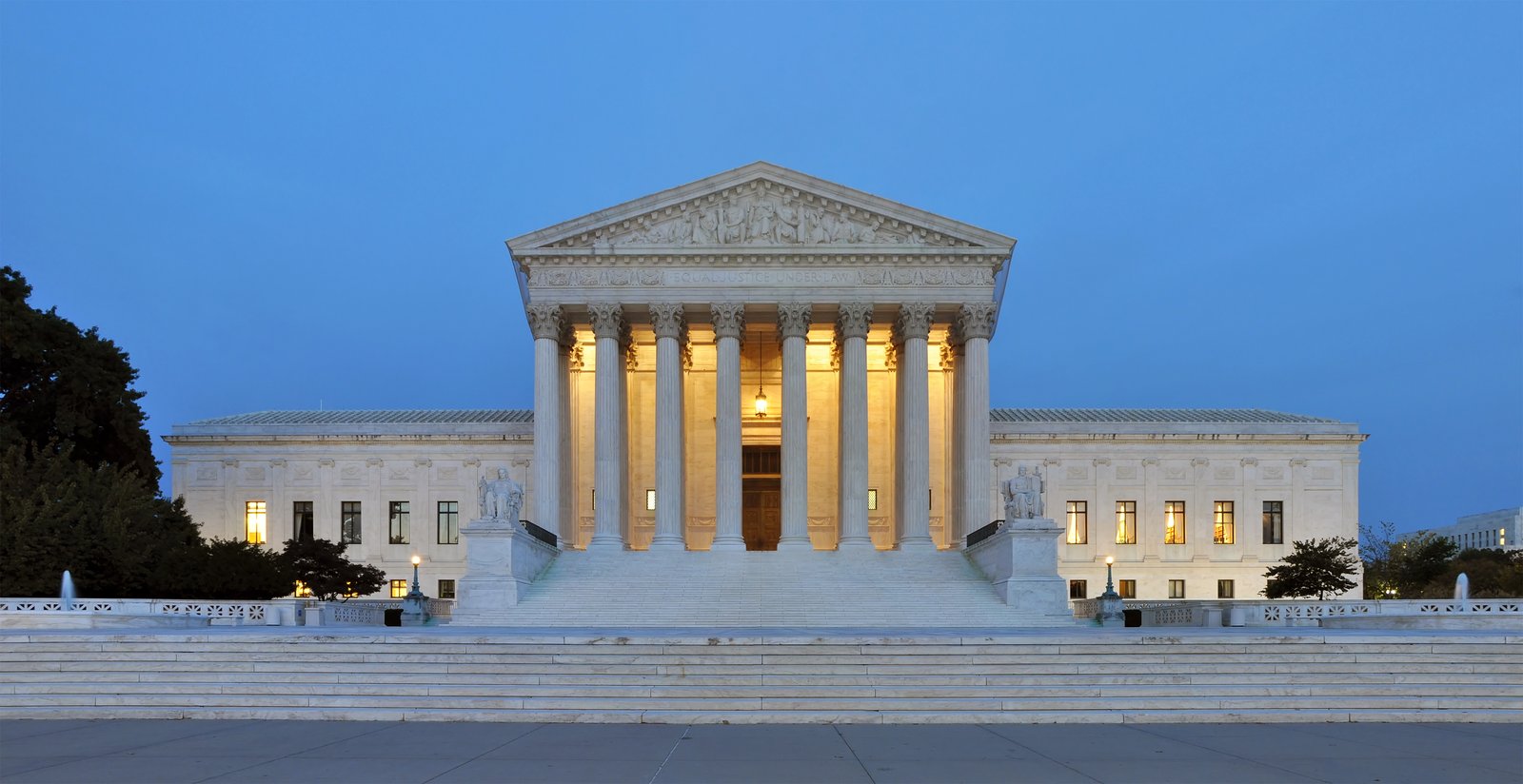
The Supreme Court just made one thing plainer for anyone carrying a phone: police access to Google-style location histories is not just a database query. It is a Fourth Amendment search.
In Chatrie v. United States, decided June 29, the Court held that officers conducted a search when they obtained Okello Chatrie’s location data from Google because people have a reasonable expectation of privacy in cellphone location information. The case came from a Virginia bank robbery investigation where police sought data from phones inside a 150-meter radius around the credit union, covering 30 minutes before and 30 minutes after the robbery.
The practical data point is small and nasty: the opinion says Google Location History could record a user’s location “every two minutes or so.” That turns a phone into a pretty good witness against everyone nearby, not just the person police already suspect.
This does not mean geofence warrants are dead. Honest answer: courts and police will now fight over how narrow, justified, and reasonable those warrants have to be. NPR’s account notes the Court sent the reasonableness question back down, and ABC News reported the 6-3 split and the key limit: broad location sweeps now carry constitutional baggage.
What readers can do this week:
- Turn off Google Timeline / Location History if you do not actively use it.
- Delete old location history instead of letting it become a scrapbook for subpoenas.
- On iPhone and Android, review app location permissions and downgrade apps from “always” to “while using” where possible.
- Use approximate location for weather, shopping, and social apps that do not need your exact coordinates.
- Remember that privacy settings reduce stored data; they do not make phone location invisible to every carrier, app, or legal process.
Image: Joe Ravi, Wikimedia Commons, CC BY-SA 3.0; image and source URLs verified HTTP 200, 3788px wide.
The Shadowfetch Brief
Get The Shadowfetch Brief
Stories like this — every side, one short morning email. Free.